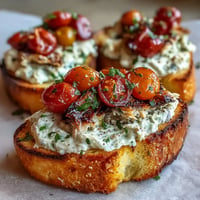
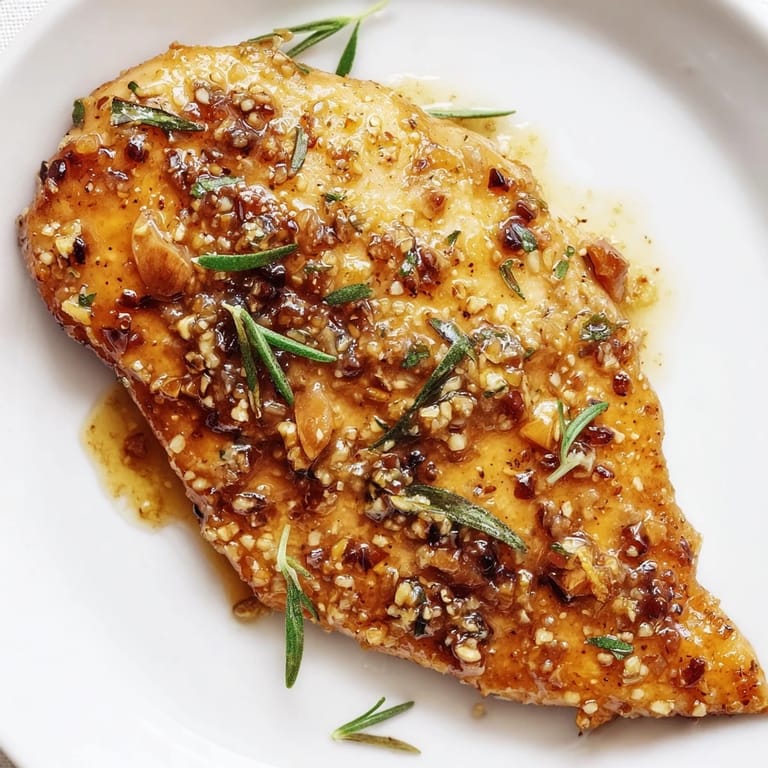
 Pin it
 The skillet was still sizzling when my neighbor knocked on the door, drawn by the smell of caramelized honey and sharp mustard curling through the open window. I had just flipped the chicken, its skin bronzed and glossy, and the kitchen smelled like a bistro I couldn't afford to visit. She asked what I was making, and I realized I didn't have a name for it yet—just a craving for something that tasted bright and comforting at the same time. That's how this recipe started: no plan, just instinct and a jar of Dijon I'd been hoarding.
I made this for my brother the week he moved into his first apartment with nothing but a dented skillet and a wooden spoon. He stood in the kitchen doorway, skeptical, watching me whisk honey into mustard like I knew what I was doing. When he took the first bite, he got quiet in that way people do when food surprises them. He didn't say much after, just asked if I'd write it down. I did, on the back of a grocery receipt, and he still has it taped inside a cabinet.
Ingredients
- Boneless, skinless chicken breasts (about 1½ lbs): I always pat these aggressively dry with paper towels because wet chicken won't brown, it'll just steam and turn pale.
- Dijon mustard (1/3 cup): This is the backbone of the sauce, sharp and bold, and cheap bottles work just as well as fancy ones here.
- Honey (1/4 cup): It balances the mustard's bite and helps the sauce cling to the chicken like a glaze.
- Whole-grain mustard (2 tablespoons): Those little seeds add texture and a pop of flavor that smooth Dijon can't give you on its own.
- Garlic (3 cloves, minced): Fresh is best, but I've used the jarred stuff in a pinch and no one noticed.
- Apple cider vinegar (1 tablespoon): Just enough acid to wake up the sauce without making it taste pickled.
- Low-sodium chicken broth (1/2 cup): This loosens the sauce so it can simmer and coat instead of clumping up.
- Fresh thyme (1 teaspoon) and rosemary (1 teaspoon, chopped): They smell like a garden after rain and make the whole dish feel intentional.
- Kosher salt (1/2 teaspoon) and black pepper (1/4 teaspoon): Season the chicken before it hits the pan, not after, or you'll never get that crust.
- Olive oil (2 tablespoons): For searing, and it adds a subtle richness that butter sometimes overpowers.
- Fresh parsley (optional, for garnish): A handful of green at the end makes it look like you care, even if you're eating it straight from the skillet.
Tired of Takeout? 🥡
Get 10 meals you can make faster than delivery arrives. Seriously.
One email. No spam. Unsubscribe anytime.
Instructions
- Prep the chicken:
- Pat the breasts dry with paper towels until they feel almost papery, then season both sides generously with salt and pepper. Don't be shy here, the seasoning needs to hold up against that bold sauce.
- Sear the chicken:
- Heat olive oil in a large skillet over medium-high until it shimmers, then lay the chicken in gently and let it sit undisturbed for 3 to 4 minutes per side until it's deeply golden. Transfer the chicken to a plate and don't worry that it's not cooked through yet, it'll finish in the sauce.
- Sauté the garlic:
- Lower the heat to medium, toss in the minced garlic, and stir it around for about 30 seconds until it smells toasty and sweet. Watch it closely because burnt garlic turns bitter fast.
- Build the sauce:
- Whisk together the Dijon, whole-grain mustard, honey, apple cider vinegar, and chicken broth right in the skillet, scraping up any browned bits stuck to the bottom. Bring it to a gentle simmer and watch it start to thicken slightly.
- Add herbs and simmer:
- Stir in the thyme and rosemary, then nestle the chicken back into the skillet and spoon sauce over the top. Cover and let it simmer for 10 to 12 minutes until the chicken reaches 165°F inside.
- Thicken and finish:
- Remove the lid, bump the heat up just a bit, and let the sauce bubble uncovered for 2 to 3 minutes until it coats the back of a spoon. Sprinkle with parsley if you've got it and serve immediately.
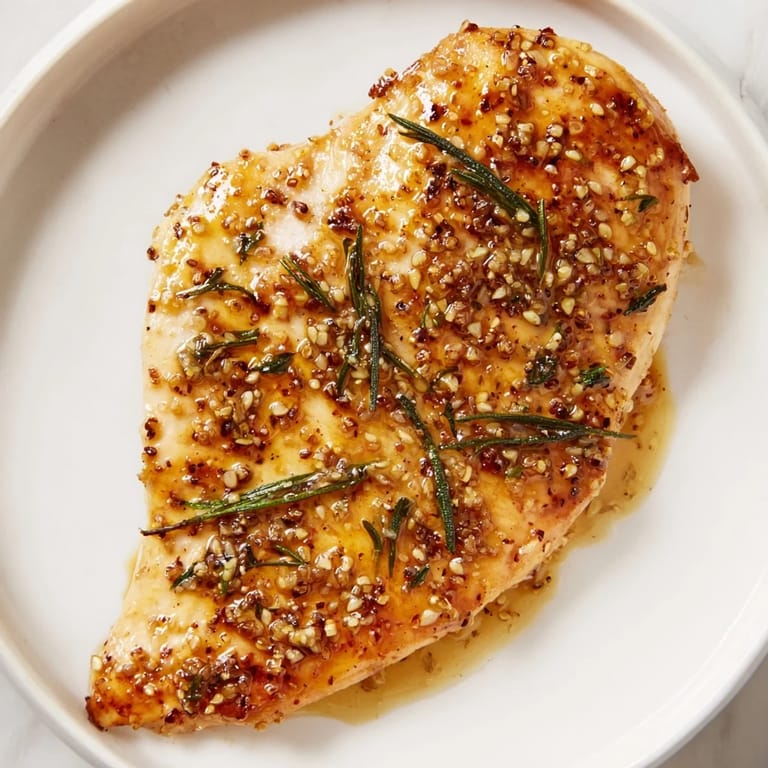 Pin it
 One night I served this over mashed potatoes to a friend who'd just had a terrible week, and she sat at my counter scraping her plate with the edge of her fork, quiet except for the occasional hum of approval. She didn't need to say anything. The way she soaked up every last bit of sauce with a heel of bread told me enough. Sometimes food does the talking when words won't come.
What to Serve It With
I've spooned this over buttery rice, piled it next to roasted broccoli, and once, in a moment of pure hunger, eaten it straight from the skillet with a fork. It's the kind of sauce that makes anything on the plate better. Mashed potatoes turn into something luxurious, plain quinoa tastes like it has a purpose, and even a simple green salad feels like part of the meal instead of an afterthought.
Swaps and Adjustments
If chicken breasts feel too lean, use boneless thighs instead and add a couple extra minutes to the simmer, they stay juicier and more forgiving if you get distracted. I've also stirred in a splash of heavy cream at the end when I wanted something richer, and it turned the sauce silky and mild. Once I ran out of apple cider vinegar and used white wine vinegar instead, and honestly, no one could tell.
Storing and Reheating
Leftovers keep in the fridge for up to three days, and the sauce somehow tastes even better the next day after the flavors have had time to settle. I reheat it gently in a skillet with a splash of broth or water to loosen the sauce, and it comes back to life without drying out. Sometimes I'll shred the leftover chicken and toss it with pasta or pile it onto a sandwich, and the sauce does all the work.
- Store in an airtight container and keep the chicken and sauce together so the meat stays moist.
- Reheat over low heat, adding a tablespoon of broth if the sauce has thickened too much.
- This doesn't freeze well because the mustard can separate, so plan to eat it within a few days.
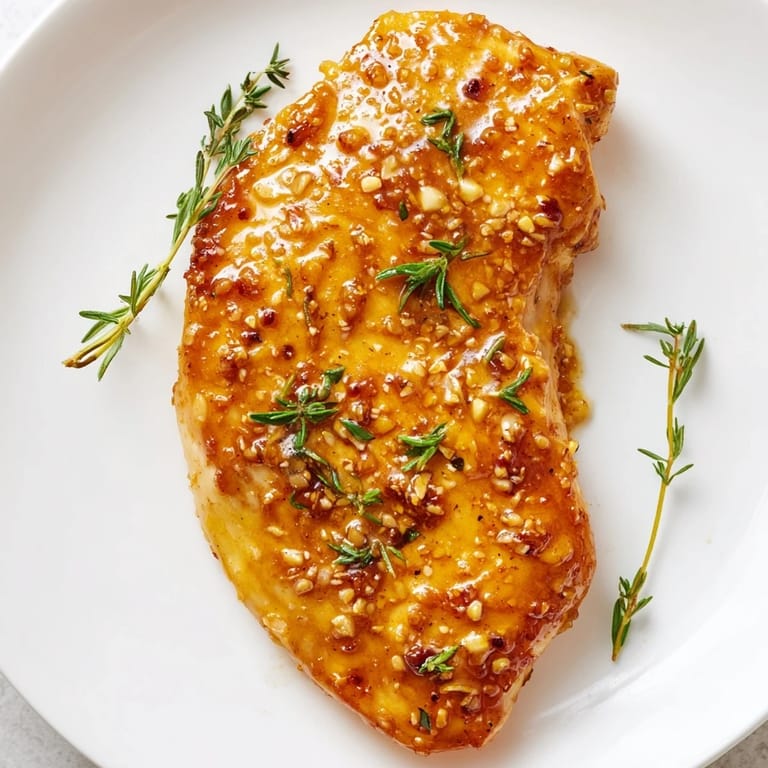 Pin it
 This recipe has pulled me out of more weeknight slumps than I can count, and I hope it does the same for you. Make it once, and I bet it'll end up in your regular rotation before the month is out.
Recipe FAQs
- → Can I use chicken thighs instead of breasts?
Yes, chicken thighs work wonderfully and stay juicier during cooking. Increase the simmering time to 15-18 minutes to ensure they're cooked through. Thighs have more fat, which enriches the sauce naturally.
- → How do I thicken the sauce?
After the chicken finishes cooking, remove it and simmer the sauce uncovered over medium-high heat for 2-3 minutes. For extra creaminess, stir in 2 tablespoons of heavy cream or sour cream at the end.
- → What should I serve with this dish?
This pairs beautifully with creamy sides like mashed potatoes, buttered egg noodles, or rice pilaf. Roasted vegetables such as broccoli, Brussels sprouts, or asparagus complement the tangy sauce. A lightly oaked Chardonnay is an excellent wine pairing.
- → Is this truly gluten-free?
As written, yes, but always check your chicken broth and mustard labels since some brands contain gluten or are processed in facilities with gluten. Most Dijon mustards and quality broths are naturally gluten-free, but verification ensures safety.
- → Can I make this ahead of time?
Cook the chicken and sauce completely, then store in an airtight container for up to 3 days. Reheat gently over low heat on the stovetop, adding a splash of broth if needed to restore sauce consistency.
- → What's the purpose of searing the chicken first?
Searing creates a golden, flavorful crust through the Maillard reaction, locking in juices and adding depth to the dish. This step takes just 6-8 minutes but significantly improves texture and taste.